
By Rayyanu Bala
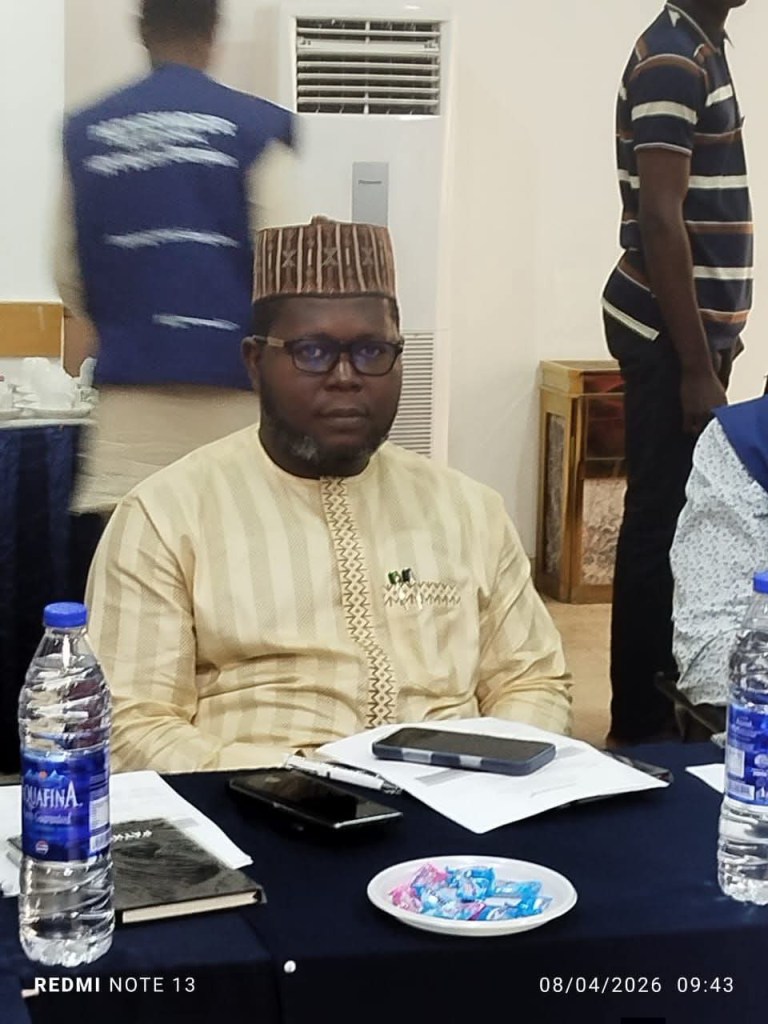
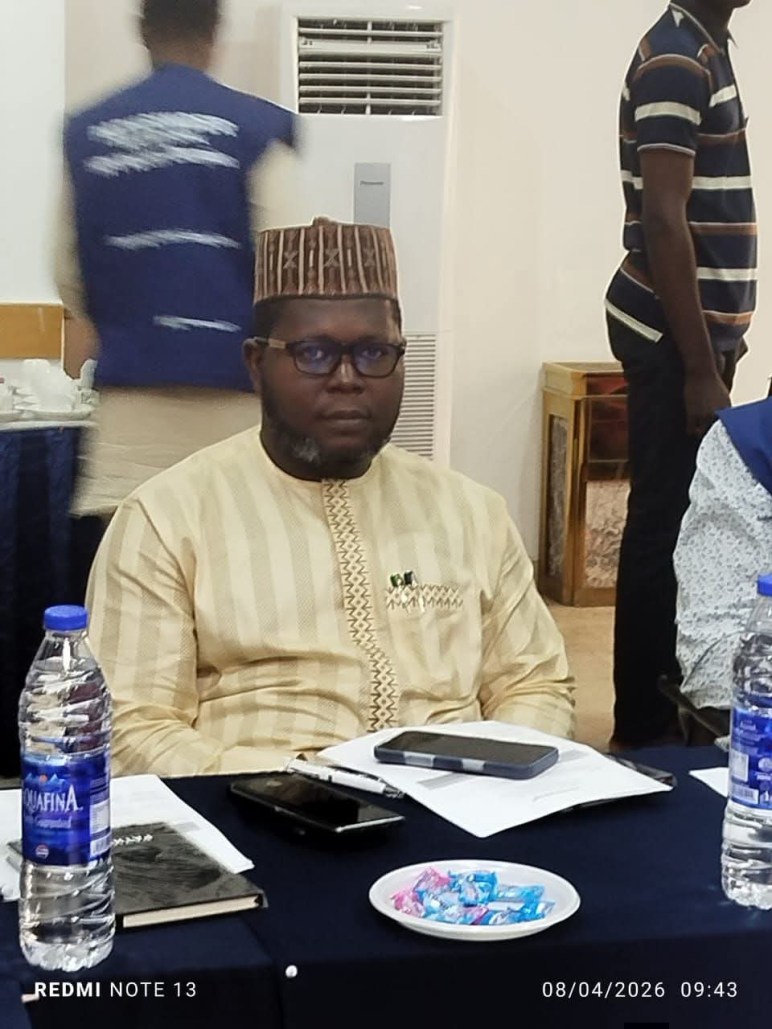
Leadership not measured by promises but by results. In public service, especially in the health sector, the true impact of leadership is seen in the lives that are improved, the systems that are strengthened, and the confidence people regain in public institutions. By that measure, Dr. Usman Iskilu Saleh deserves sincere applause for what appears to be a remarkable transformation of primary healthcare in Nasarawa State.
For years, primary healthcare in many parts of Nigeria struggled with poor infrastructure, weak data management, inadequate equipment, and limited public confidence. Yet, under Dr. Iskilu Saleh’s on going stewardship as Executive Secretary of the Nasarawa State Primary Healthcare Development Agency, there has been a visible shift in both the administration and delivery of healthcare services.
One of the most impressive aspects of his leadership is the modernization of the agency’s operations through digital reforms. In an era where data drives effective decision-making, digitizing healthcare systems is no longer a luxury but a necessity. By improving planning, strengthening accountability, and enhancing monitoring across all 13 local government areas, the agency has positioned itself to deliver healthcare more efficiently and respond more effectively to the needs of citizens.
Beyond technology, Dr. Saleh has demonstrated that healthcare transformation must also be visible at the grassroots. The renovation and equipping of nearly all primary healthcare centres across the state is a significant achievement. From improved labour rooms and vaccine cold-chain facilities to better water supply, sanitation, electricity, and modern medical equipment, these interventions represent investments that directly affect the quality of care received by ordinary people.
Perhaps the most encouraging aspect of these reforms is that they are beginning to produce measurable outcomes. Reports from health workers and community leaders suggest shorter waiting times, increased patronage of health facilities, improved antenatal attendance, stronger immunization coverage, and greater public confidence in primary healthcare. These are the kinds of changes every government hopes to achieve because they translate into healthier families and stronger communities.
However, while Dr. Usman Iskilu Saleh deserves recognition for driving these reforms, equal credit should also go to the Governor of Nasarawa State, Engr. Abdullahi Sule. Leadership is not only about implementing policies; it is also about identifying capable individuals and entrusting them with responsibilities at the right moment.
Governor Sule’s decision to appoint Dr. Saleh came at a critical period when the state’s primary healthcare system required visionary leadership, strategic thinking, and administrative competence. Looking at the progress that has followed, one can reasonably argue that the appointment has proven to be one of the administration’s most impactful decisions in the health sector.
Good appointments often produce good governance. In this case, the governor’s confidence in Dr. Saleh appears to have birthed a new dawn in the history of primary healthcare in Nasarawa State. It demonstrates what becomes possible when political leadership provides support while professionals are allowed to lead with innovation, dedication, and accountability.
Healthcare remains one of the most important investments any government can make because its benefits touch every family, every community, and every generation. The reforms taking place within the Nasarawa State Primary Healthcare Development Agency offer an encouraging example of what focused leadership can accomplish.
As the saying goes, flowers should be given while people can still smell them. Dr. Usman Iskilu Saleh deserves commendation for providing purposeful leadership that is transforming healthcare delivery across Nasarawa State. Likewise, Governor Engr. Abdullahi Sule deserves recognition for making an appointment that is yielding tangible benefits for the people.
If the current momentum is sustained through government support, the ongoing reforms may well become one of the defining success stories of Nasarawa State’s healthcare sector and a model worthy of emulation by other states across Nigeria.
 nasarawaeye.com