
By Rayyanu Bala
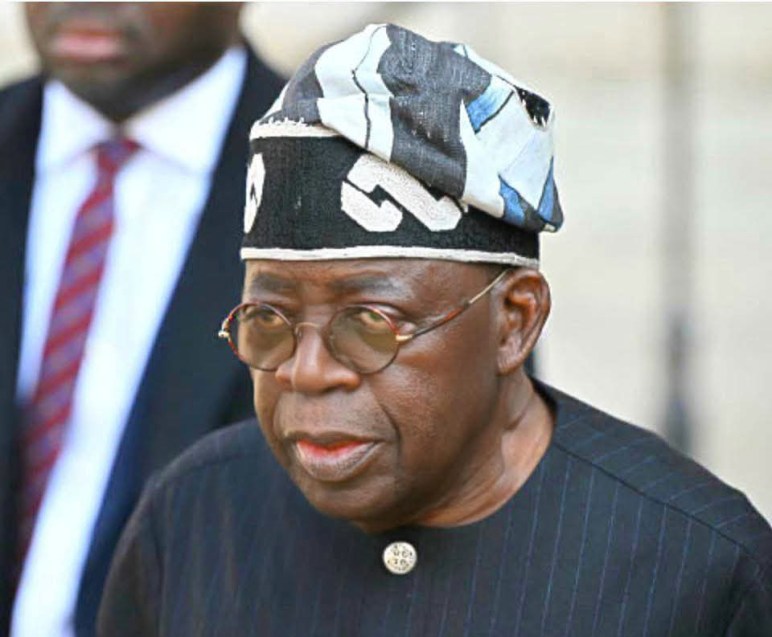
My elder brother, Yusufu Shehu Usman, recently shared one of his usual thought-provoking opinions on his Facebook page. He argued that President Bola Ahmed Tinubu’s refusal to provide information about his primary and secondary school education in his latest INEC form despite having done so in previous submissions raises questions about moral rectitude and personal integrity than about the law.
According to him, Tinubu has not violated the Nigerian Constitution, the Electoral Act, or any other extant law. The issue, he maintained, is not legality but integrity.
I find Yusufu Shehu Usman’s perspective interesting because it shifts the conversation from what the law requires to what the public expects. If we accept my elder brother’s argument, then perhaps we should also admit that there is no value in endlessly debating Tinubu’s school certificates.
The Nigerian Constitution does not insist on a long list of academic qualifications for anyone seeking the office of President. It simply requires a “School Certificate or its equivalent.” Although I am not a lawyer, my layman’s interpretation of “its equivalent” is that any individual who possesses the ability to read and write effectively as well as function competently, even if he did not follow the conventional path of formal education. This is what equivalent is talking about.
It’s also worth noting that many leaders and scholars throughout history learned through apprenticeships, libraries, religious institutions, discussions, and personal study rather than modern classrooms.
A classical example is Abraham Lincoln. He had less than a year of formal schooling. He educated himself by borrowing books, reading constantly, and studying law independently. While a classical example of
scholar is: Frederick Douglass. He was
born into slavery, he was forbidden from learning to read. He taught himself with help from others and became one of the greatest writers and speakers of his era.
So from the two examples above, it is therefore possible for someone to become literate and knowledgeable outside the walls of a classroom. History is filled with remarkable individuals who acquired education through self-study, apprenticeship, or life experience rather than through formal schooling as I have mentioned above.
Perhaps the framers of our Constitution understood this reality that was why they avoided an excessive emphasis on academic certificates. As we can see, leadership is not determined by paper qualifications but is determined by Character, competence, wisdom, and the ability to inspire and govern. These are qualities that we can measure leaders not by certificates.
This raises a broader national question. Why have we become so obsessed with certificates? In many sectors of our society, we judge people by the qualifications they possess rather than by the value they create or the problems they solve. We have elevated certificates to such a status that practical skills, innovation and experience take a back seat.
Here I am not suggesting that education is unimportant. Formal education remains one of the greatest tools for personal and national development. However, certificates should not become the yardstick by which we assess an individual’s worth or capacity to contribute to society.
If Nigeria is to move forward, perhaps we need to rethink our priorities. We should place greater emphasis on competence, honesty, accountability, and performance rather than on academic credentials. A nation develops not because its leaders possess the highest qualifications on paper, but because they possess the vision and capacity to deliver results.
The opposition may continue to debate on President Tinubu’s educational records but beyond the politics lies a deeper lesson for all of us. It is time to reduce our unhealthy obsession with certificates and begin to value competence.
After all, a certificate may open a door, but it is performance that determine what happens once one walks through it.
 nasarawaeye.com